Does an “operational” monitoring station necessarily mean it “meets all requirements”?
Many businesses believe that once an environmental monitoring station has been installed, the equipment is operating normally, and data is being transmitted to the management system, the system has fully met all requirements.
However, actual operation shows that a system may be capable of measuring and transmitting data while still having various issues that need to be addressed, including account management, equipment sealing, data storage capacity, automatic sampling, surveillance cameras, QA/QC documentation, or sampling locations.
A notification on the results of a survey and recommendations for completing automatic and continuous environmental monitoring systems issued by the Ho Chi Minh City Department of Agriculture and Environment in August 2026 recorded multiple groups of deficiencies at automatic wastewater monitoring stations.
This demonstrates that businesses should not focus solely on whether “the equipment is running”, but should comprehensively evaluate the entire system, including equipment – data – sampling – cameras – documentation – operation.
So, what should businesses pay particular attention to when installing and operating an environmental monitoring station?
Common Issues Encountered When Operating Wastewater Monitoring Stations
In the actual inspection of automatic wastewater monitoring, issues can arise at different levels. Some are related to equipment, while others involve management procedures and operational documentation. Results of the environmental monitoring station survey by the Department of Agriculture and Environment

Based on the issues identified during the survey, they can be categorized into several main groups.
Data Logger Account Management and Equipment Sealing
Failure to Provide the Highest-Level Data Logger Administrator Account
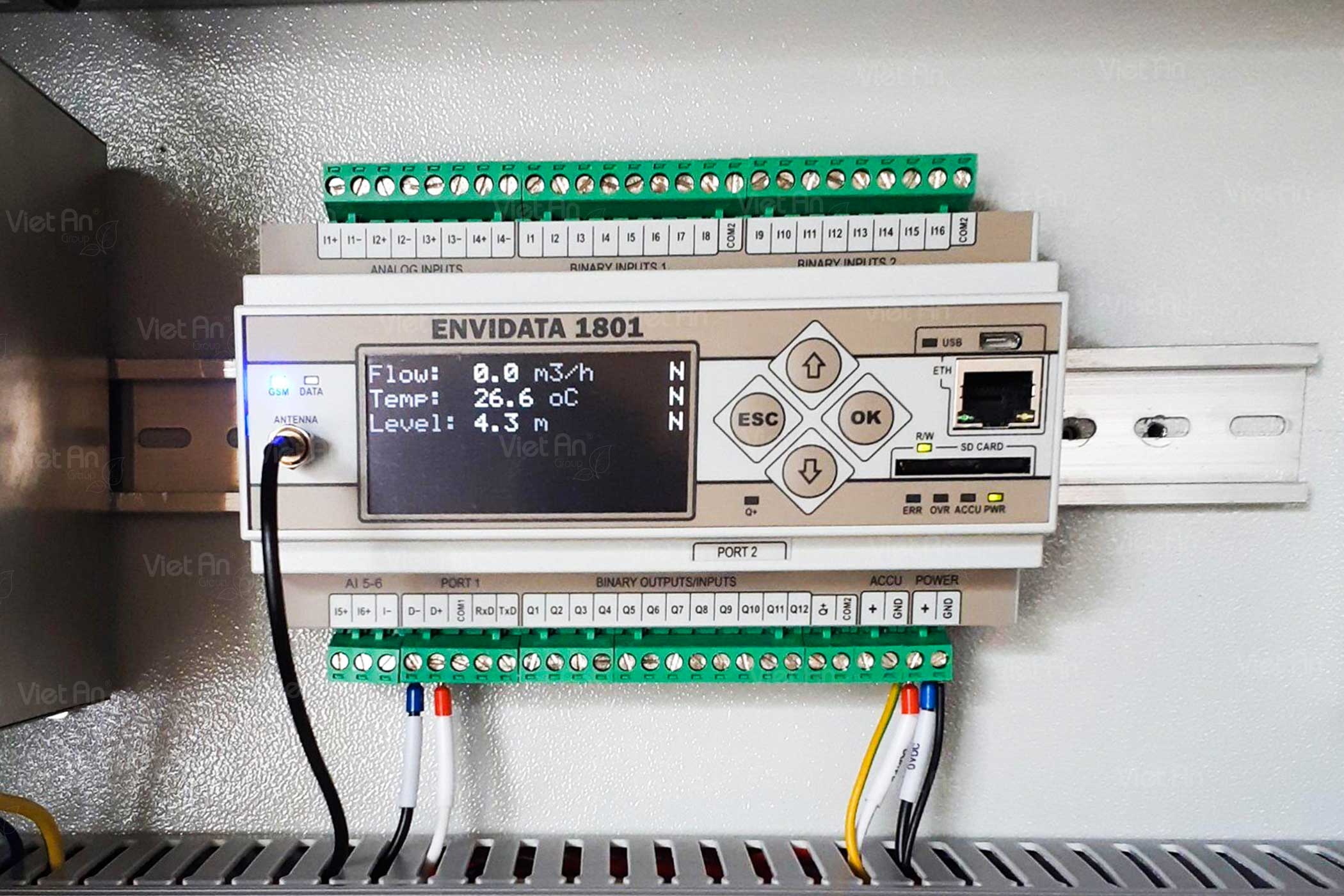
The Data Logger is one of the key components of an automatic environmental monitoring system, responsible for receiving, storing, and transmitting data from measurement devices.
One of the identified issues was the failure to provide the highest-level Data Logger administrator account and password to the regulatory authority..
For businesses, this is an issue that should be reviewed from the very beginning of system implementation. Access management is not only related to equipment operation but also to the ability to inspect, monitor, and retrieve data when necessary.
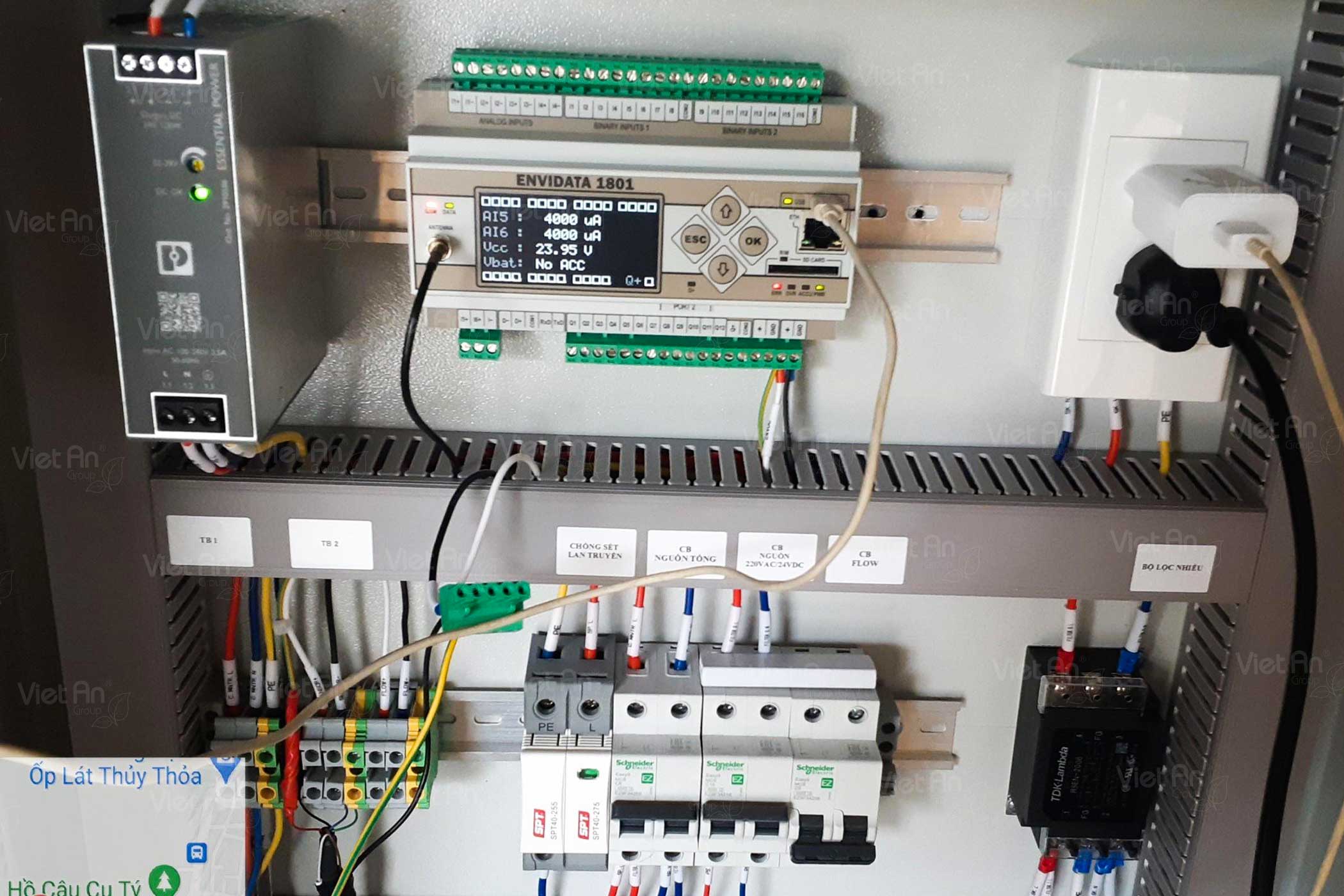
Therefore, during the acceptance and handover of a wastewater monitoring station, businesses should clearly define:
- System administrator accounts.
- Access permissions for each user group.
- Login information and password management mechanisms.
- Data retrieval capabilities.
- Equipment status monitoring capabilities.
- Procedures for transferring administrative access when the operating organization changes.
Equipment Not Sealed as Required
In addition to account management, the survey document also recorded cases where the Data Logger and automatic sampling and sample preservation equipment had not been properly sealed..
Equipment sealing is an issue that businesses should not overlook after completing system installation. If the focus is solely on whether the equipment can measure parameters while overlooking requirements related to system management and protection, the monitoring station may still have deficiencies during inspection.
Measurement Equipment Must Support Data Storage and Retrieval
A automated wastewater monitoring stations không đơn thuần là tập hợp các cảm biến đo pH, nhiệt độ, TSS, COD, Amoni hay lưu lượng.
What is important is that measurement data must be capable of being stored, retrieved, and exported together with equipment status information..
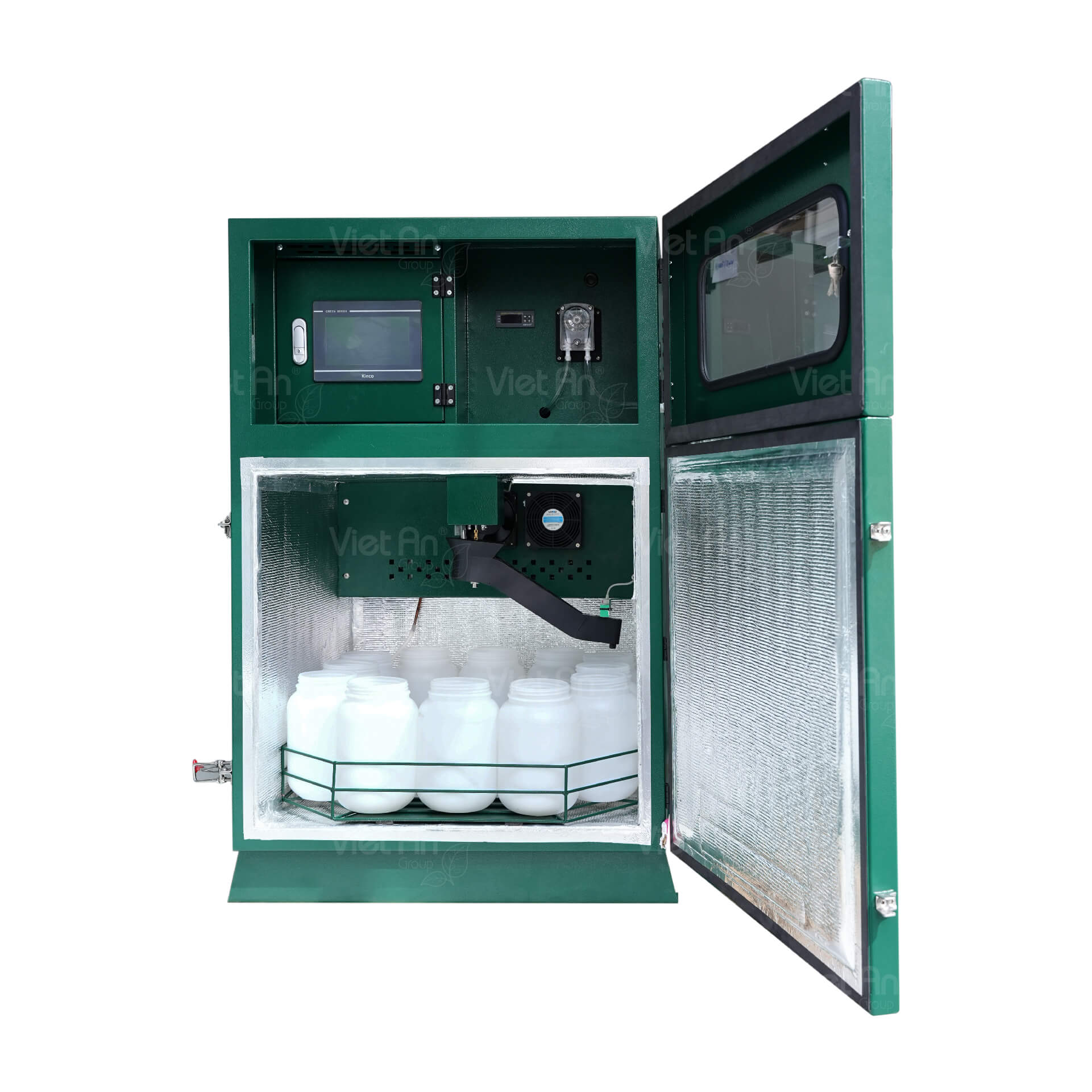
The survey identified several systems where measurement equipment did not have the capability to retain and automatically export measurement results together with equipment status information.
This raises an important question for businesses:
If the regulatory authority requests data from a previous period, can the system provide complete data together with the corresponding equipment status?
This is why, when installing an environmental monitoring station, businesses should not evaluate equipment solely based on its ability to measure parameters at the present time.
Businesses should also consider its ability to:
- Store data.
- Retrieve data by time period.
- Export reports.
- Monitor equipment status.
- Determine the operating status of the system.
- Review historical data when an incident occurs.
Automatic Sampling Equipment Should Support Remote Control
For an automatic wastewater monitoring, automatic sampling equipment is an important component, particularly when samples are required for inspection or verification purposes. The survey document recorded cases where automatic sampling equipment was not capable of receiving remote control commands from the competent state authority. was not capable of receiving remote control commands from the competent state authority..
This is an issue that businesses need to consider when selecting equipment and designing the system.
Businesses should not simply ask:
“Can the equipment perform automatic sampling?”
Instead, they should evaluate the following:
- Can the equipment be programmed for sampling cycles?
- Can it be remotely controlled?
- Does it store sampling history?
- Does it record equipment status?
- Can it connect to the data management system?
- Does it provide alerts when the sampling equipment malfunctions?
Surveillance Cameras: An Important Part of the Monitoring Station
Another aspect that businesses can easily overlook when installing an environmental monitoring station is the surveillance camera system.
According to the survey findings, identified issues included:
- Cameras at the monitoring station and discharge point had not been connected to transmit images to the regulatory authority.
- Camera data had not been stored for the required period when inspection was required.
- Camera locations or viewing angles did not meet monitoring requirements.
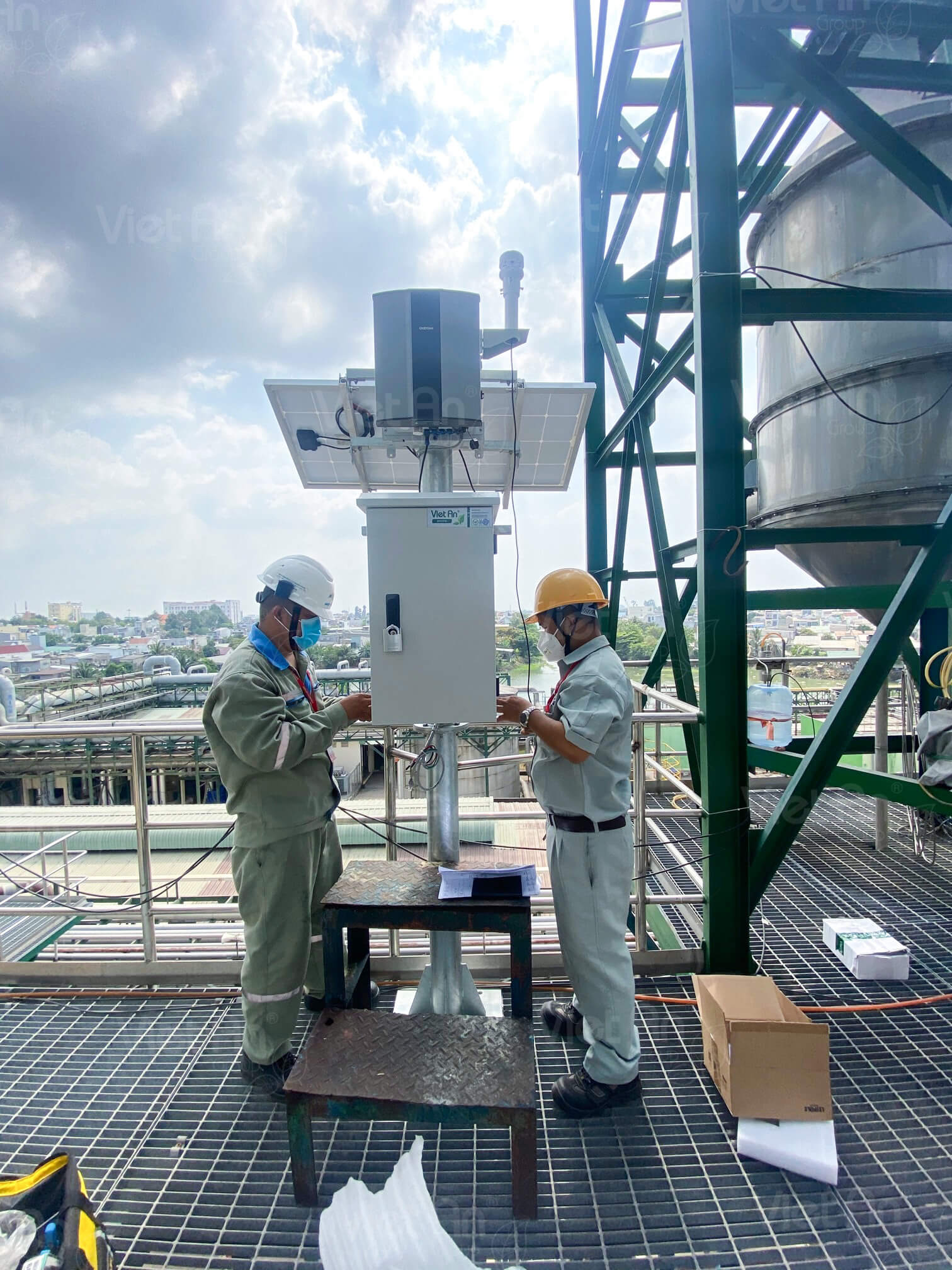
This demonstrates that cameras are not merely auxiliary equipment.
Cameras can help monitor:
- The monitoring station area.
- Environmental monitoring equipment.
- Sampling points.
- Discharge areas.
- Actual operating conditions.
Therefore, during the acceptance of a wastewater monitoring station, businesses should inspect not only the measurement equipment and data transmission system but also the surveillance camera system.
Why Can a Monitoring Station Have “Data” but Still Fail to Meet Requirements?
This is an issue that many businesses do not fully understand.
An automatic environmental monitoring system may be displaying:
pH = 7,2
TSS = 32 mg/L
COD = 45 mg/L
and the data may still be transmitted normally.
However, this does not necessarily reflect the overall condition of the system.
Businesses also need to consider:
- Is the equipment properly managed?
- Can the data be retrieved?
- Does the equipment record its operating status?
- Is the sampling system installed at the correct location?
- Are the cameras operating and storing data?
- Is the QA/QC documentation complete?
- Are the devices properly maintained, inspected, and calibrated as required?
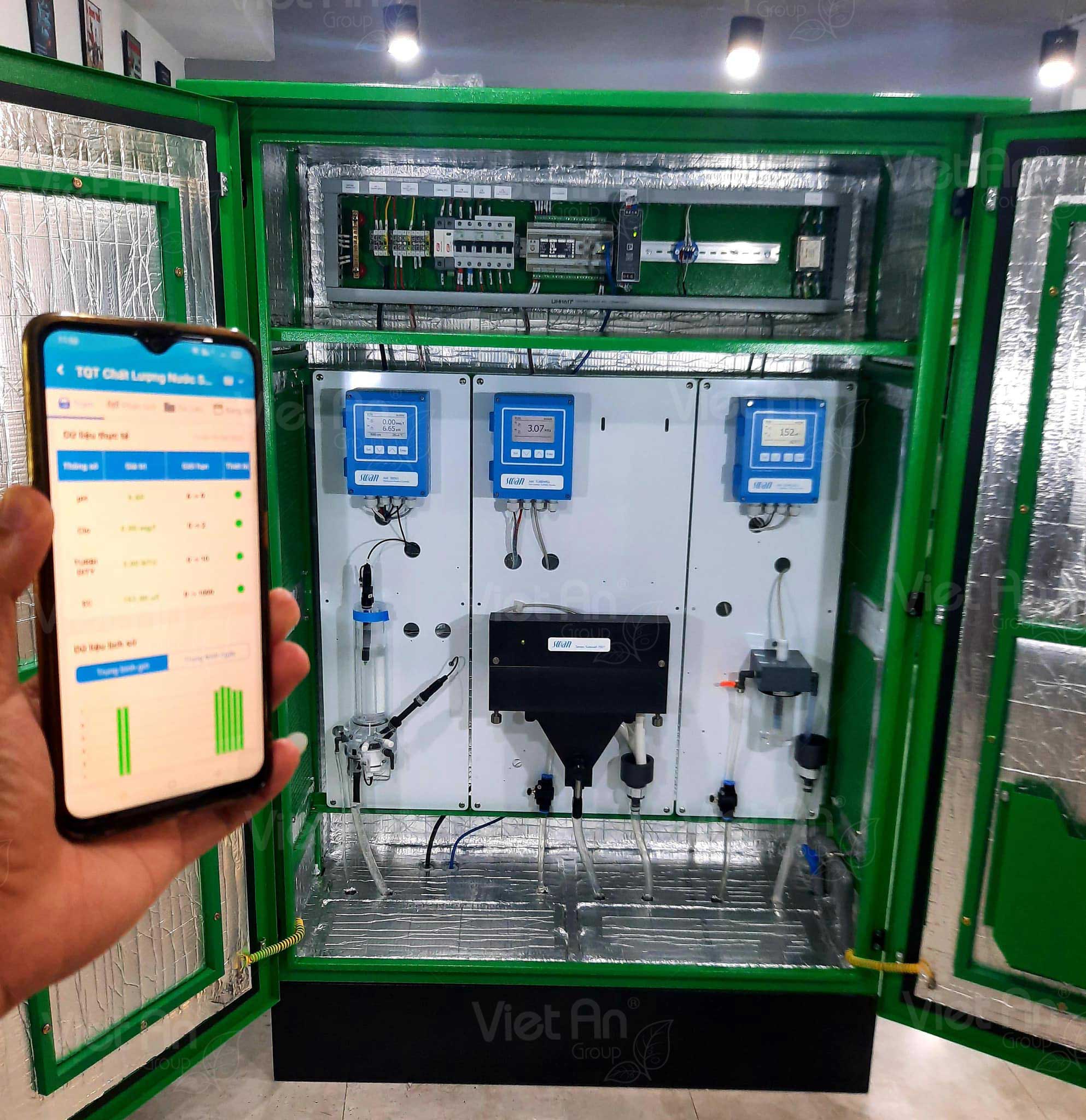
Therefore, businesses should shift from the mindset:
“The monitoring station is running.”
to:
“The monitoring station is properly managed, monitored, and operated in compliance with requirements.”
When Should Businesses Review Their Environmental Monitoring Station?
Businesses should not wait until a regulatory inspection takes place before conducting a system review.
Inspections should be carried out:
- After system installation: This is an important stage for checking the entire system before placing it into stable operation.
- When equipment is changed: Replacing sensors, Data Loggers, sampling equipment, or data transmission equipment may affect the system configuration.
- When abnormal data occurs.
- Before regulatory inspections: This is when businesses should conduct a comprehensive environmental monitoring station inspection, covering equipment, data, cameras, and documentation.
- Periodically during operation: Even when the system is operating normally, regular maintenance and reviews should be maintained to minimize potential risks.
Environmental Monitoring Station Installation Should Be Considered Holistically from the Beginning
One of the most common mistakes is for businesses to view an environmental monitoring station simply as a project involving the purchase and installation of equipment.
In reality, a complete system needs to be considered from multiple perspectives:
Design → Equipment → Sampling → Data → Cameras → Connectivity → Documentation → Operation → Maintenance.
If any one of these links is not properly designed, the business may need to make adjustments after the system has already been put into operation. This not only increases costs but may also cause operational interruptions. Therefore, from the installing an environmental monitoring station, businesses should select a provider capable of delivering comprehensive consulting rather than simply supplying individual equipment.
Viet An – Supporting Businesses in Environmental Monitoring Station Operation
For businesses, an environmental monitoring stations environmental monitoring station is not merely a system of equipment used to measure and transmit data. It is part of the overall environmental quality control and compliance process during plant operation. With experience in deploying more than 2,000 monitoring stations, Viet An provides solutions ranging from consulting, system design, and installation to operation, maintenance, and technical support, helping businesses establish an environmental monitoring system that is managed in an integrated manner and operates reliably over the long term.
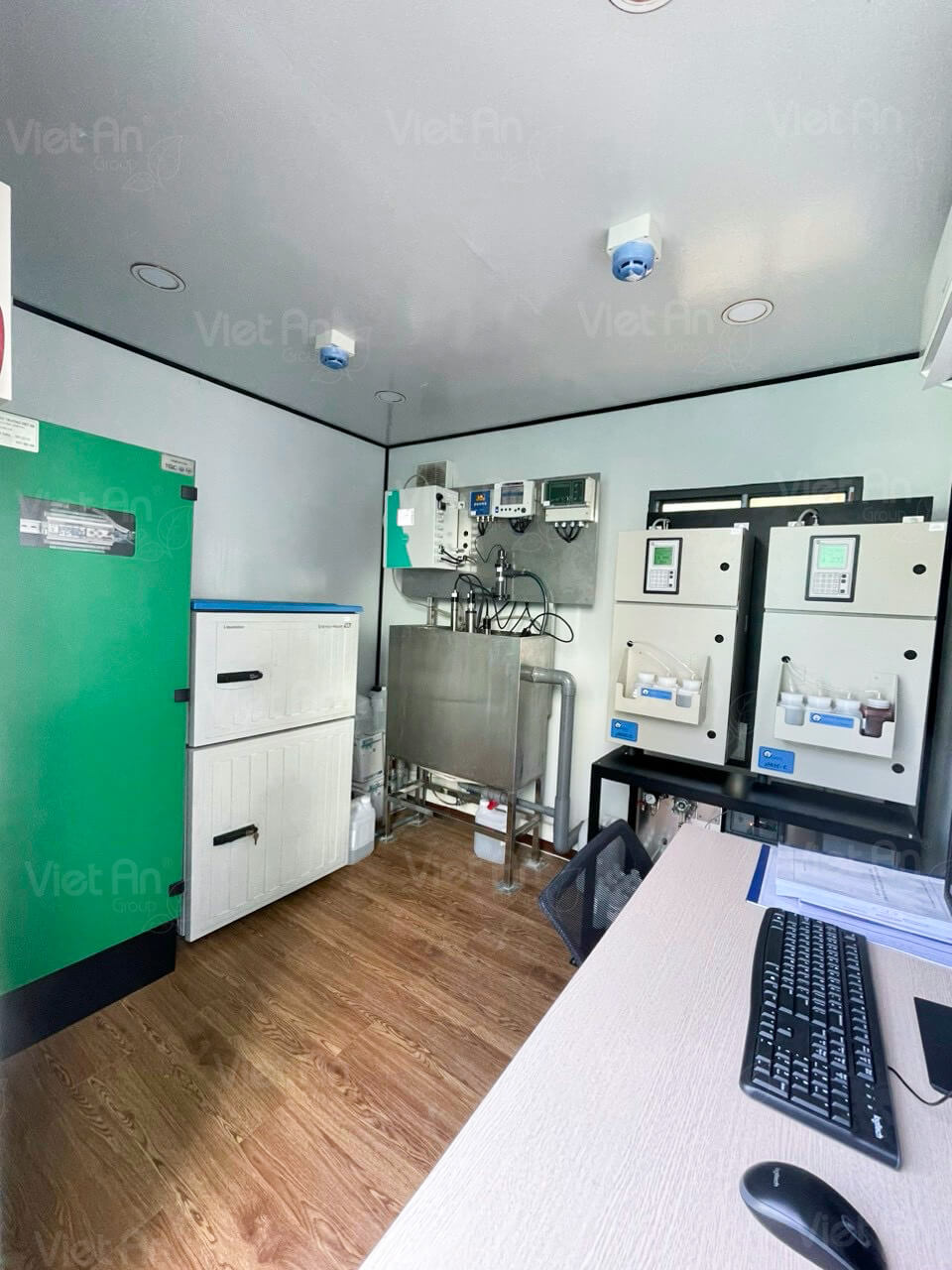
Businesses can proactively review:
Equipment – Data – Sampling – Cameras – QA/QC – Documentation – Operation
rather than simply checking whether the system is currently transmitting data.
Conclusion
A automated wastewater monitoring stations requires more than accurate measurement equipment. Businesses also need to pay attention to data storage and retrieval capabilities, Data Logger management, sampling equipment, sampling locations, surveillance cameras, QA/QC documentation, and the entire operating process.
The deficiencies identified through actual surveys show that many issues can arise from details that may seem minor: failure to provide administrator accounts, failure to seal equipment, unsuitable sampling locations, cameras that do not meet requirements, or failure to conduct periodic quality control reports.
Therefore, instead of waiting for a regulatory inspection before taking corrective action, businesses should proactively inspect and comprehensively evaluate their environmental monitoring stations on a regular basis..
A compliant environmental monitoring station is not simply one that “can measure” – it must ensure reliable data, system transparency, complete documentation, and stable operation.
Viet An is ready to support businesses in reviewing, upgrading, operating, and maintaining their environmental monitoring systems.
Contact Viet An for a site assessment and consultation on the appropriate solution for your environmental monitoring station.



 Vietnamese
  English