Environmental Monitoring Station is a system used to continuously monitor, measure, and record environmental parameters for specific monitoring targets. Depending on the purpose and type of environment being monitored, the system can be deployed for wastewater, emissions, surface water, drinking water, groundwater, seawater, or other environmental factors. With the growing trend toward data-driven environmental management and the increasing need for continuous monitoring, automated monitoring systems are playing an increasingly important role for businesses, industrial parks, and manufacturing facilities.
In this article, Viet An will help businesses understand what an environmental monitoring station is, the different types of monitoring stations, their main components, the parameters that need to be monitored, management requirements, and how to select the right solution..
What Is an Environmental Monitoring Station?
Environmental Monitoring Station is a system designed to measure, collect, store, process, and transmit data on environmental parameters according to a specific monitoring program or management requirement.
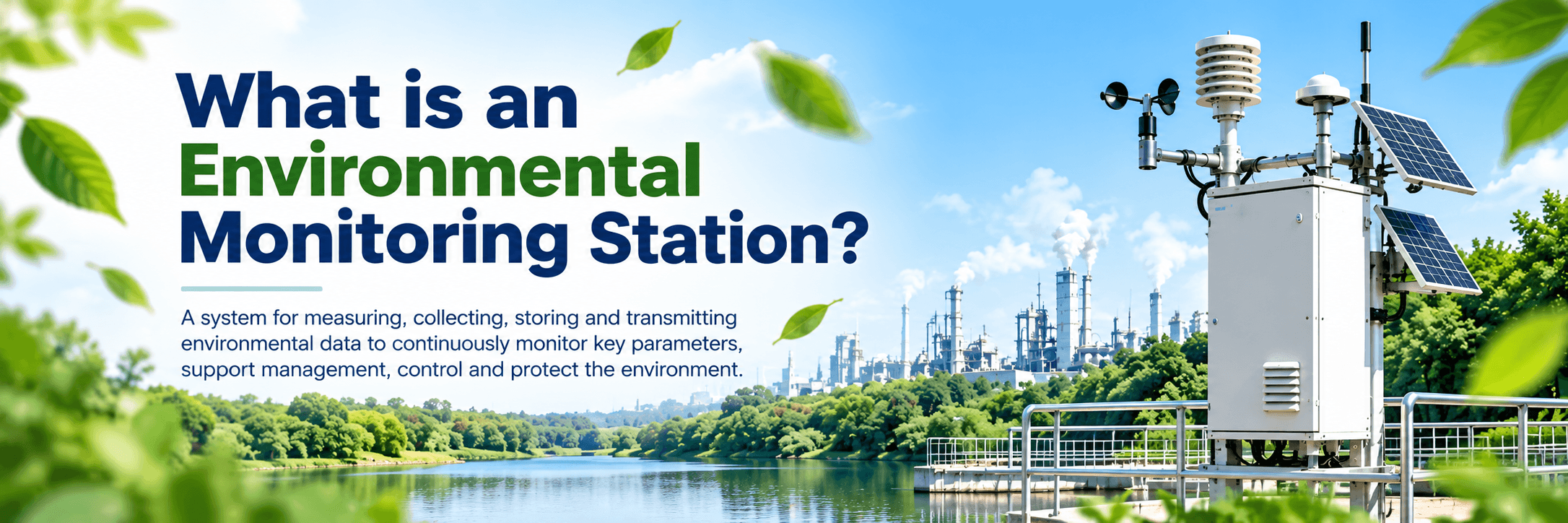 Depending on the monitoring target, an environmental monitoring station can be deployed for wastewater, emissions, surface water, drinking water, groundwater, seawater, ambient air , and other environmental targets.
Unlike conventional sampling and laboratory analysis performed at individual points in time, an automatic and continuous monitoring system can collect data over time, enabling businesses to monitor changes in environmental quality and supporting environmental management and process control.
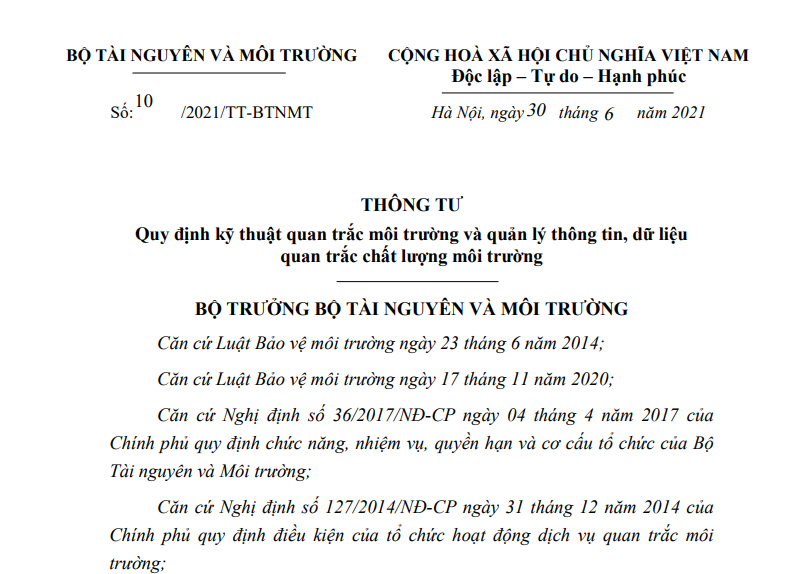
In Vietnam, technical requirements for environmental monitoring and the management of monitoring information and data are stipulated in various legal documents. Among them, Circular 10/2021/TT-BTNMT provides regulations on environmental monitoring techniques and the management of information and data on environmental quality monitoring and has been effective since August 16, 2021.
For manufacturing businesses, industrial parks, and facilities generating waste streams, having a proper understanding of environmental monitoring stations, applicable monitoring targets, required parameters, and data requirements is an important foundation before selecting and investing in a monitoring system.
Why Are Environmental Monitoring Stations Becoming Increasingly Important?
In industrial production, environmental quality can change over time and depends on various factors such as production capacity, raw materials, treatment processes, operating conditions, and pollutant loads.
Therefore, relying solely on a single measurement taken at a specific point in time may not fully reflect changes in a wastewater stream or emissions source.
Automated monitoring systems help shift environmental monitoring from a “measurement at a specific point in time” approach to “continuous data monitoring.”.
For businesses, monitoring data can support:
- Monitoring the quality of waste streams or receiving environments.
- Detecting abnormal changes.
- Evaluating the performance of treatment systems.
- Centralized environmental data management.
- Supporting compliance with environmental management requirements.
- Providing data for analysis and decision-making.
In particular, for foreign-invested enterprises (FDI), establishing a transparent, stable, and traceable environmental data management system is becoming increasingly important for operational management and ESG practices.
Common Types of Environmental Monitoring Stations
There is no single configuration that applies to all environmental monitoring stations.
Each system is designed based on the monitoring target, emission or discharge source, parameters to be measured, technical requirements, and intended use of the data..
Common types include:
1. Wastewater Monitoring Station
Wastewater Monitoring Station is used to monitor water quality parameters in a wastewater stream during the treatment process or before discharge into the environment, depending on applicable requirements.
The system may integrate sampling equipment, sensors, analyzers, controllers, data loggers, data transmission systems, and auxiliary equipment.
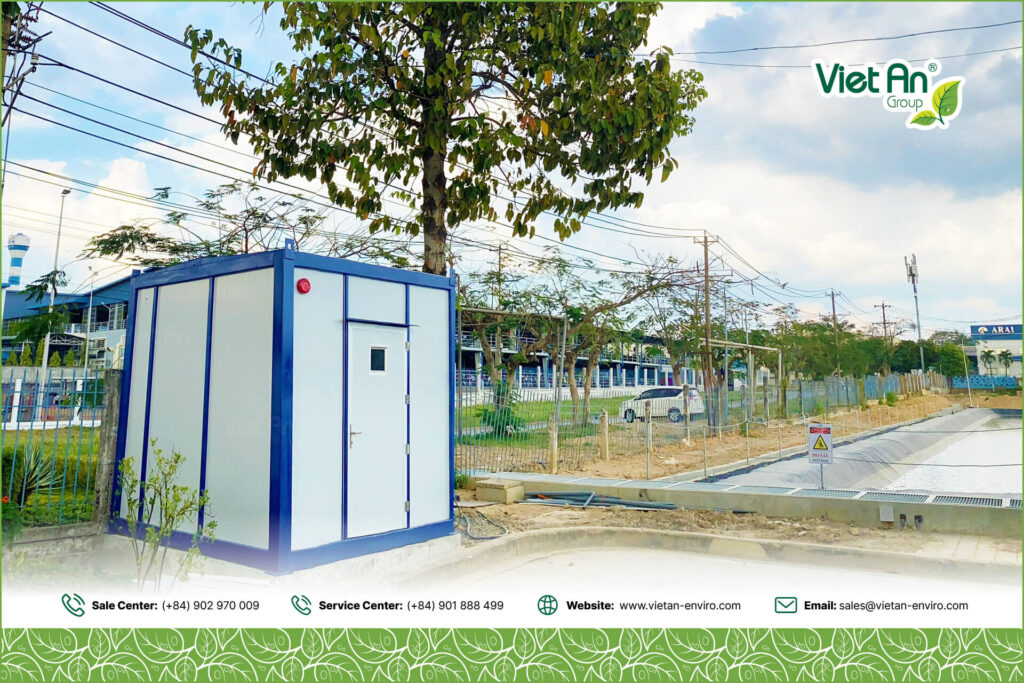
Common parameters monitored in water monitoring systems include:
- pH
- Temperature
- Flow rate
- TSS
- COD
- Amoni
- Other parameters depending on the wastewater source and applicable requirements.
For each project, the list of required parameters should be determined based on the legal documentation, type of production, wastewater source, and applicable environmental standards and regulations.
→ Learn more: Automatic Continuous Wastewater Monitoring Solution - iMisff 3101 WW
2. Emission Monitoring Station
Emission Monitoring Station is used to monitor parameters in exhaust gas generated from sources such as boilers, incinerators, cement plants, power plants, metallurgical facilities, chemical plants, and other manufacturing facilities.
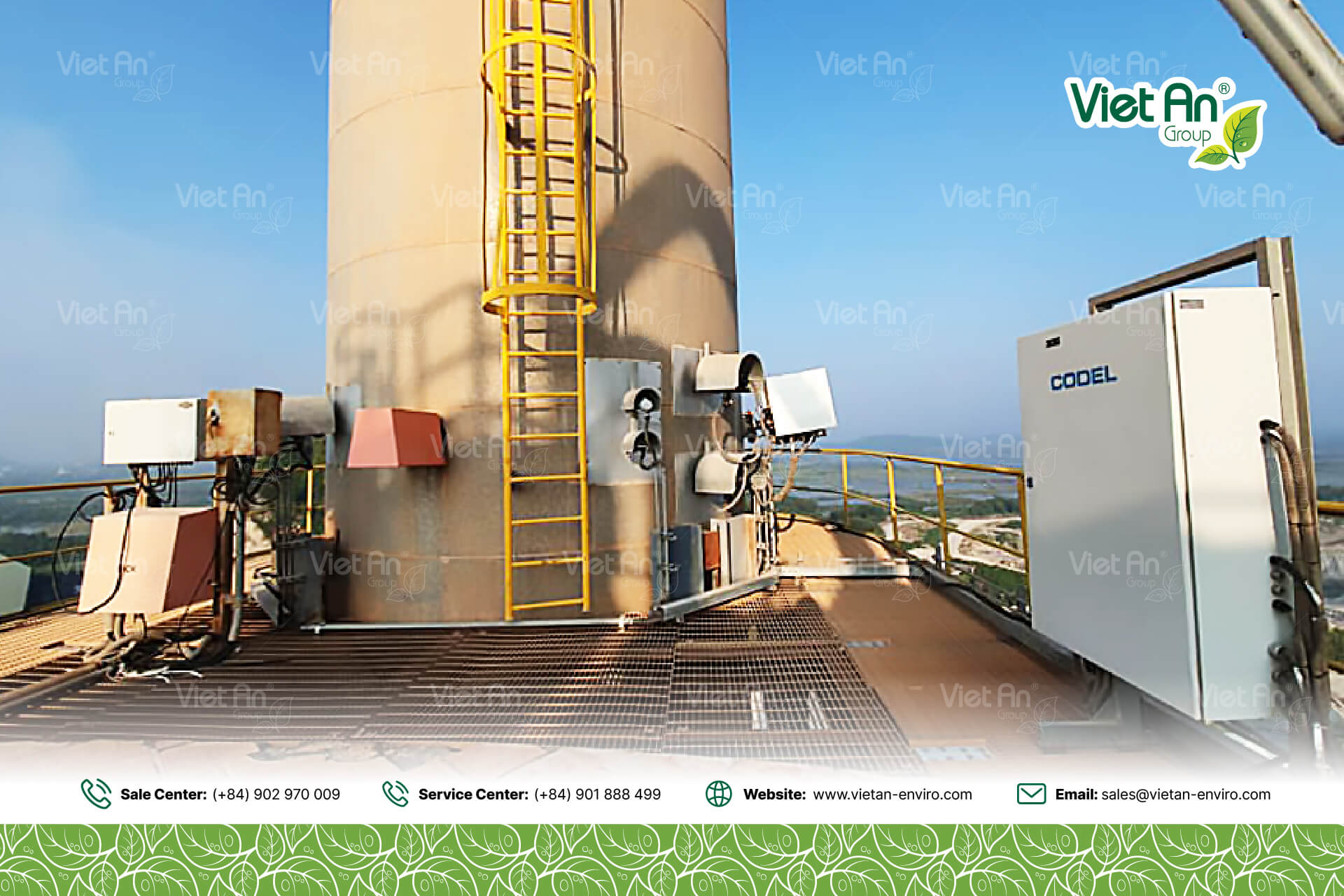
A system may include:
- Sampling probe.
- Sample conditioning system.
- Analyzers.
- Sensors for measuring relevant parameters.
- Data acquisition equipment.
- Data transmission system.
- Camera and auxiliary equipment.
Depending on the emission source, monitored parameters may include particulate matter, SO₂, NOx, CO, O₂, flow rate, temperature, pressure, and other parameters according to applicable requirements.
→ Learn more: Automatic Continuous Emission Monitoring Solution (CEMS) - iMisff7101
3. Surface Water Monitoring Station
A Surface Water Monitoring Station is used to monitor water quality in rivers, lakes, canals, channels, and other surface water bodies.
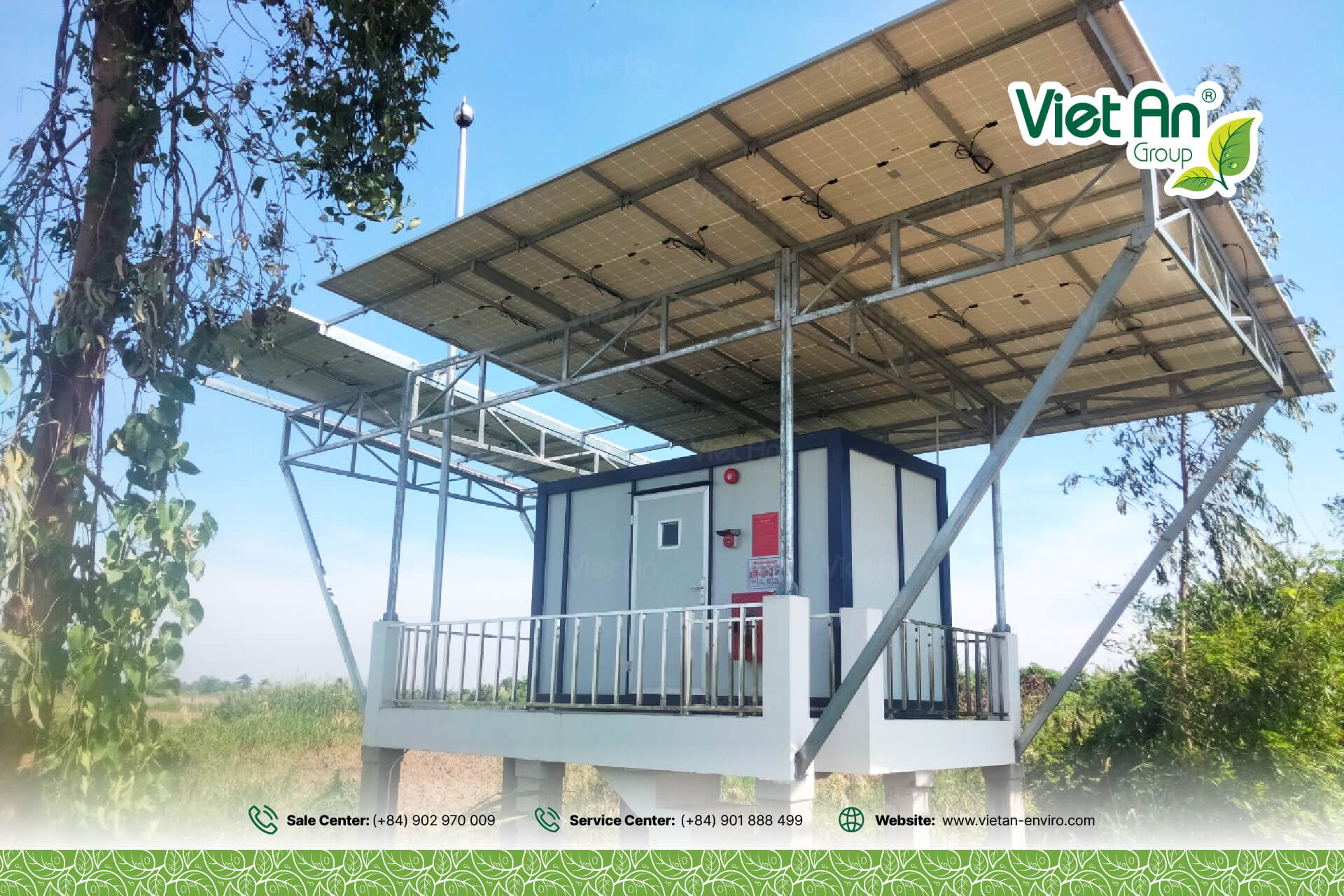
For automatic and continuous monitoring systems, parameters can be measured using sensors and analyzers installed in the field.
Circular No. 10/2021/TT-BTNMT includes technical requirements related to automatic monitoring systems for surface water quality. The Environmental Monitoring Center also identifies parameter groups such as temperature, pH, DO, TSS, COD, and additional parameters depending on specific circumstances.
→ Learn more: Automatic Continuous River Water Monitoring Solution - iMisff 4101 RW
4. Drinking Water Monitoring Station
For water supply and drinking water production systems, monitoring water quality helps operators control the treatment process and water quality according to applicable requirements.
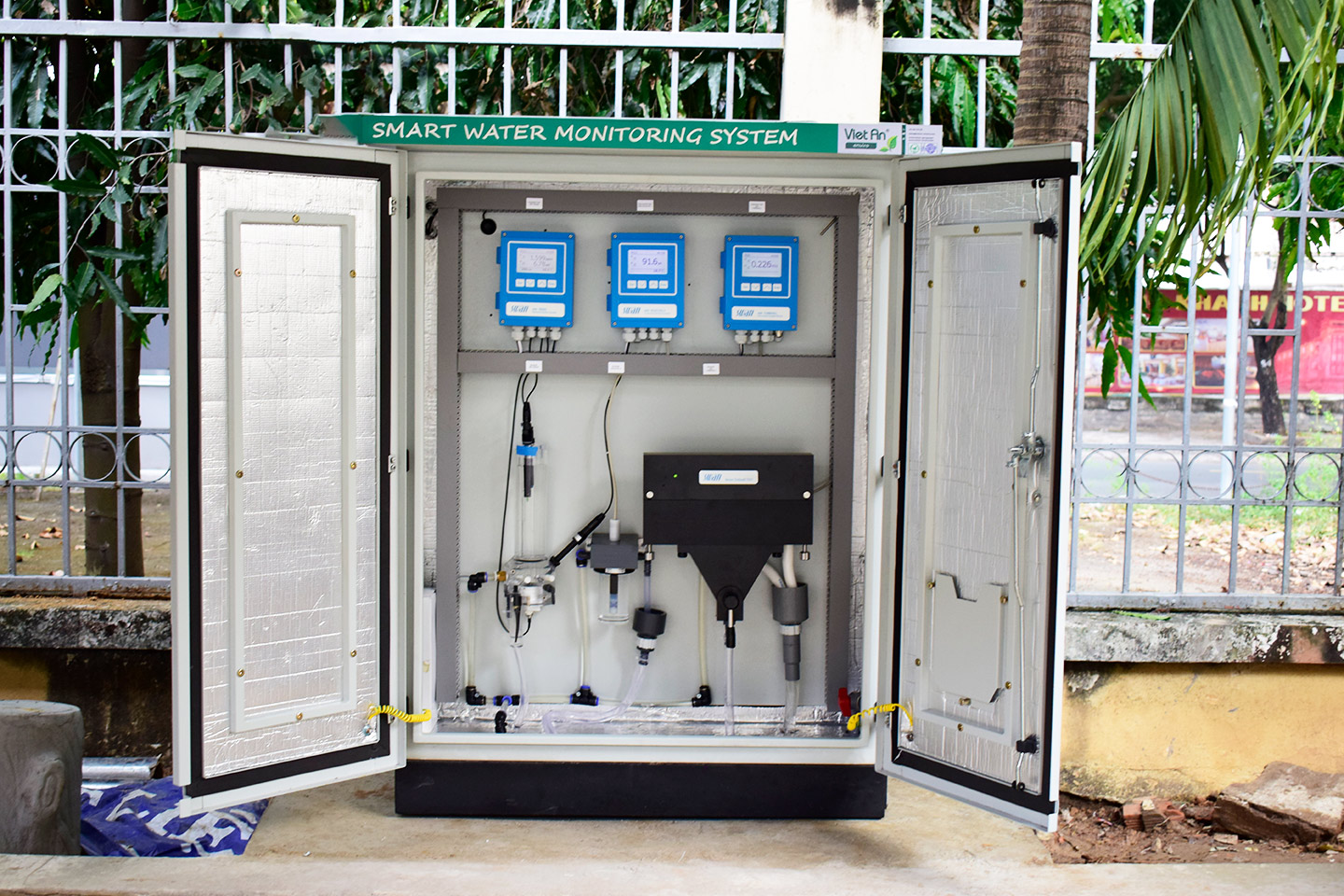
Depending on the monitoring objective, the system may monitor parameters such as:
- pH
- Electrical conductivity
- Turbidity
- Temperature
- Residual chlorine
- Other parameters
The selection of parameters and equipment should be based on the water source, treatment technology, and applicable standards or regulations for each specific case.
→ Learn more: Drinking Water Monitoring Solution – iMisff 2101 DW
5. Groundwater Monitoring Station
Groundwater is a natural resource that needs to be monitored in areas potentially affected by production activities, groundwater extraction, or pollution sources.
A groundwater monitoring system can be designed according to a specific monitoring program, with parameters and monitoring frequencies appropriate to the monitoring objectives.
→ Learn more: Automatic Continuous Groundwater Monitoring Solution - iMisff 5101 GW
6. Marine Water Monitoring Station
In coastal areas, seaports, aquaculture zones, coastal urban areas, or areas with production and service activities related to the marine environment, seawater quality monitoring can be implemented to track changes in water quality and support environmental management according to the relevant programs, objectives, and requirements.
A marine water monitoring station can be designed as an automatic and continuous monitoring system or combined with periodic sampling and laboratory analysis programs, depending on the monitoring objectives.
→ Learn more: Automatic Continuous Seawater Monitoring Solution - iMisff 6101 SW
Tùy mục tiêu, hệ thống có thể theo dõi các yếu tố như nhiệt độ, độ mặn, pH, DO, độ đục và các thông số khác.
7. Ambient Air Quality Monitoring Station
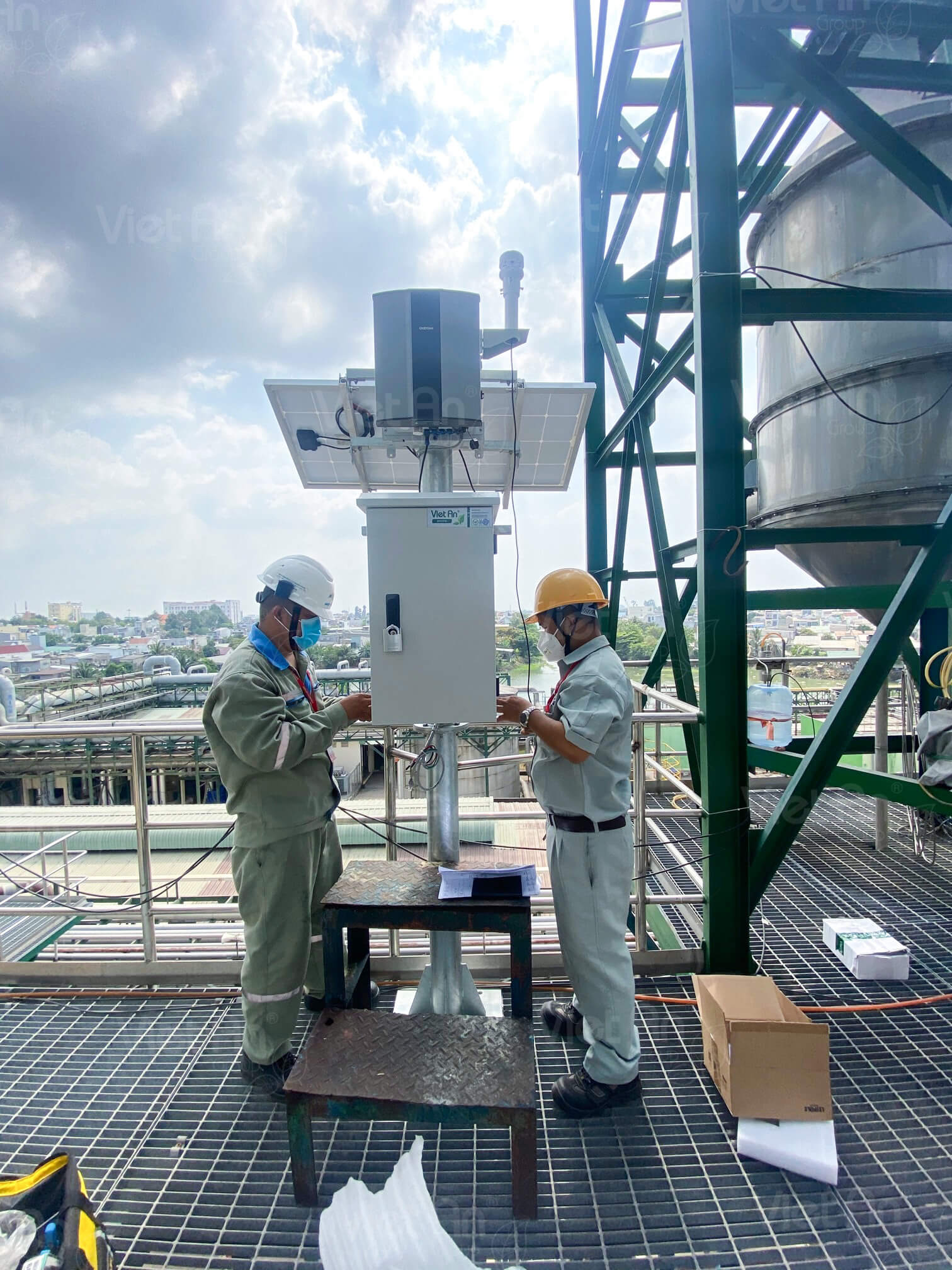
An Ambient Air Quality Monitoring Station is used to monitor air quality in a specific area, such as residential areas, urban areas, industrial parks, production areas, traffic zones, or other locations where ambient air quality needs to be monitored.
Unlike an emission monitoring station, which focuses on emissions at the source such as a stack, ambient air monitoring focuses on assessing air quality in the surrounding environment.
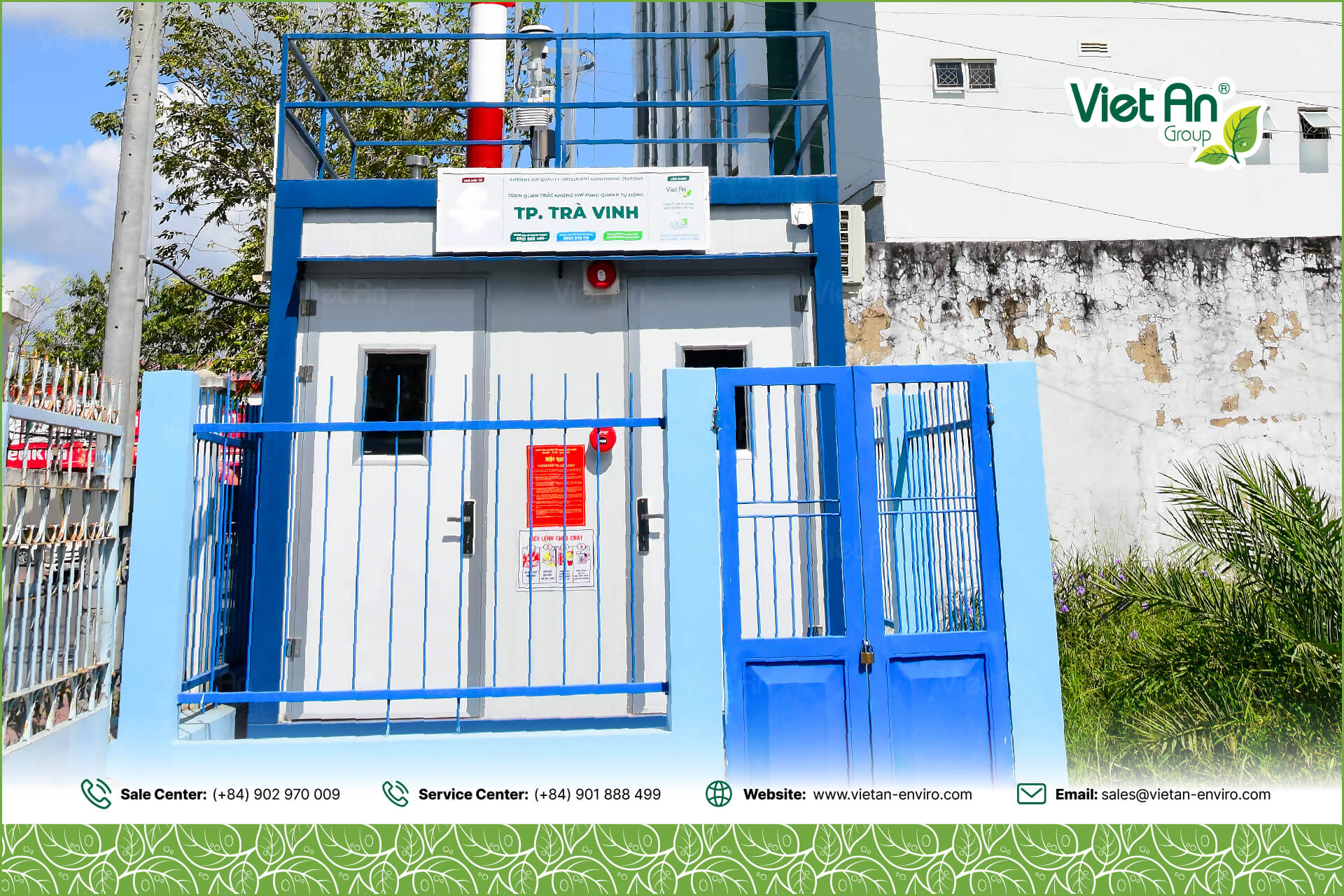
→ Learn more: Automatic Continuous Ambient Air Quality Monitoring Solution - iMisff 8101 AQ
Depending on the monitoring objectives and system configuration, an automatic ambient air quality monitoring station can monitor parameters such as bụi PM10, PM2.5, SO₂, NO₂, CO, O₃ , together with meteorological parameters such as temperature, humidity, atmospheric pressure, wind speed, and wind direction..
The system can integrate analyzers, sampling equipment, data acquisition and processing units, data transmission systems, and auxiliary equipment. Monitoring data is recorded over time, allowing operators to track changes in air quality and support the assessment of environmental changes in the monitored area.
For automatic ambient air quality monitoring programs, the installation location, equipment configuration, measurement parameters, and data transmission and reception method should be determined based on the monitoring objectives and technical requirements applicable to each project.
What Is an Automatic and Continuous Monitoring Station?
Automatic and continuous monitoring station is a system capable of measuring, recording, and managing data over time without requiring manual intervention for each individual measurement.
A complete system typically includes:
Monitoring target → Sampling/Direct Measurement → Analysis → Data Acquisition → Data Storage → Data Transmission → Monitoring
The key aspect of an automated system is not only the measurement equipment itself but also the ability to integrate and synchronize the entire system..
A high-accuracy instrument may still affect overall system performance if sampling is unstable, data is not fully stored, or the data transmission system does not meet the required specifications.
What Does an Environmental Monitoring Station Consist Of?
The configuration varies depending on the type of monitoring station. However, an automatic monitoring system generally consists of the following main component groups.
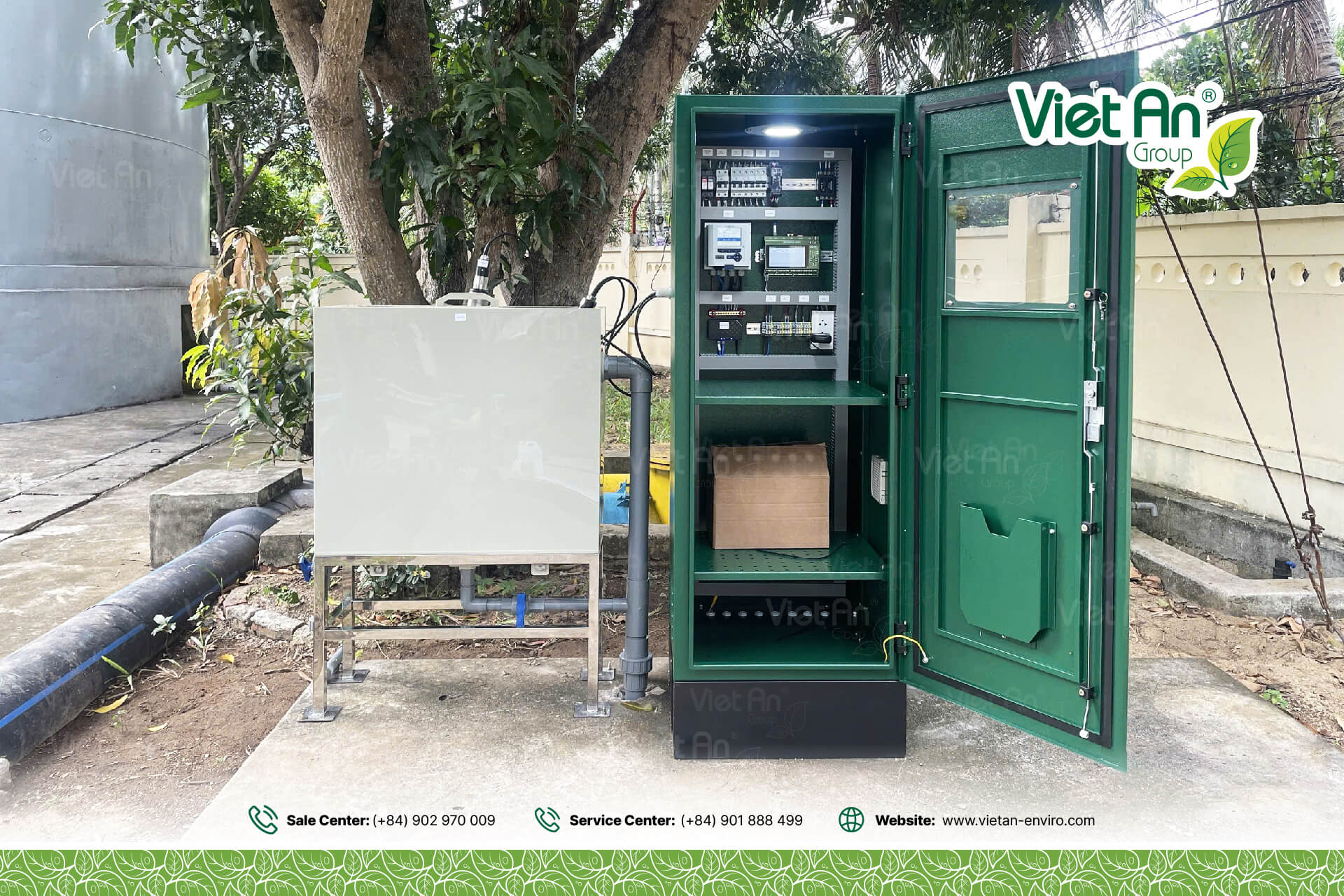
1. Sampling System
For systems that require sampling, the sampling system is responsible for transferring samples from the monitoring source to the analyzer under appropriate conditions.
2. Sensors and Analyzers
These are the components that directly measure or analyze the parameters to be monitored.
Examples include:
- pH
- DO
- Conductivity
- Turbidity
- TSS
- COD
- Gases and gas components
- Flow rate
- Temperature
- Pressure
3. Controller and Data Acquisition System
Data from measurement devices is collected and processed before being stored or transmitted to the management system.
4. Data Logger
The data logger plays an important role in receiving, storing, and managing monitoring data..
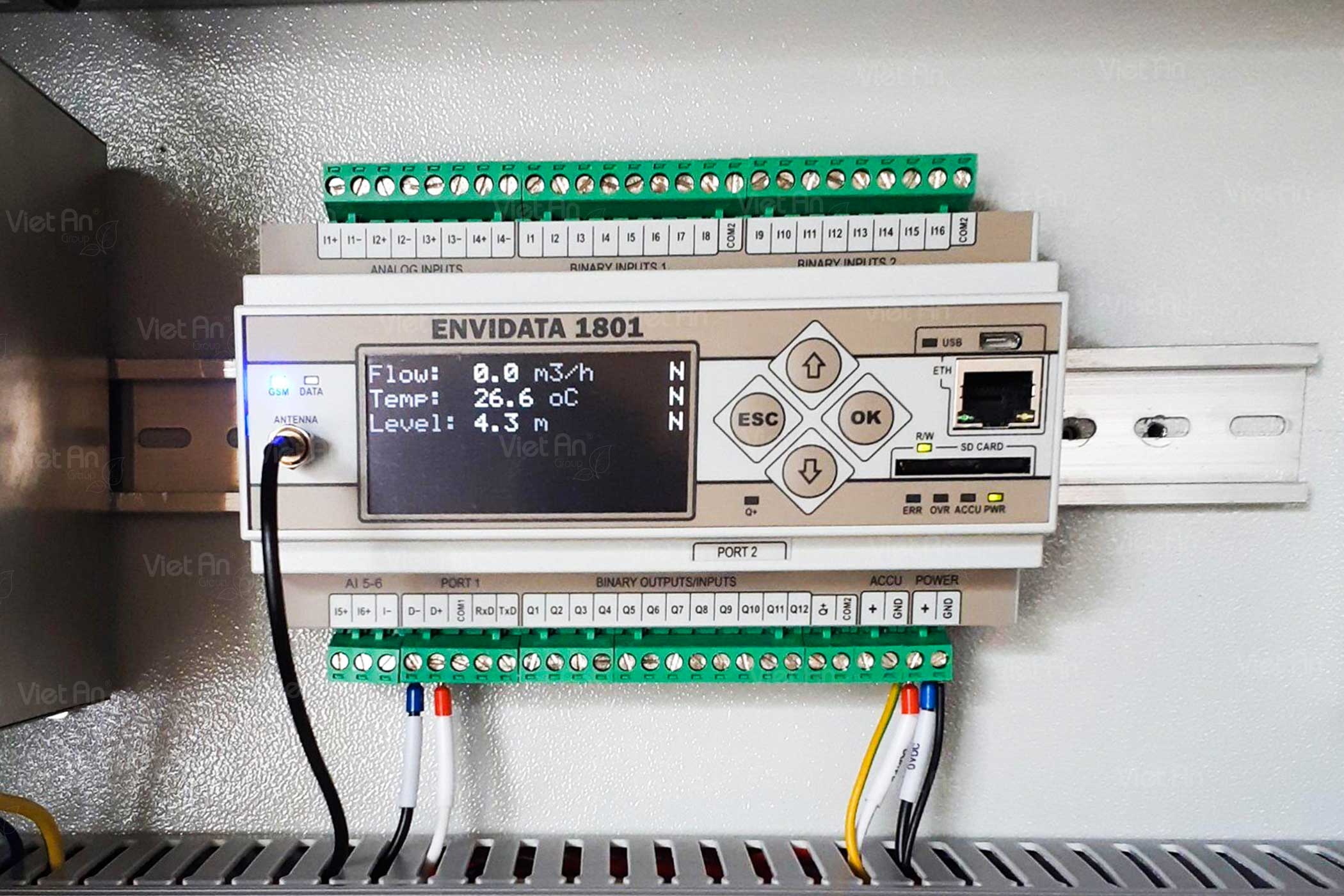
According to the requirements specified in Article 39 of Circular No. 10/2021/TT-BTNMT, data reception, transmission, and management systems at automatic and continuous monitoring stations must meet certain technical requirements. Among these requirements, the most recent data must be continuously retained for a minimum of 60 days.
5. Data Transmission System
Data from the monitoring station is transmitted to the receiving system using a method and configuration that meet applicable requirements.
Circular No. 10/2021/TT-BTNMT specifies requirements related to transmission methods, transmission time, time synchronization, and handling of data interruptions.
6. Monitoring System
The software system enables operators to monitor data, equipment status, alarms, and operating history.
Common Environmental Monitoring Parameters
Not all monitoring stations use the same list of parameters.
Parameter selection should be based on the type of environment, emission or discharge source, applicable regulations, and management objectives..
For Water
Some commonly monitored parameters include:
| Nhóm | Parameter |
|---|---|
| Vật lý | Temperature, Turbidity, TSS |
| Physicochemical | pH, Electrical Conductivity, DO |
| Organic | COD and related parameters |
| Nutrients | Ammonia, Nitrogen, Phosphorus |
| Other | Flow rate and parameters as required |
For Emissions
Some commonly monitored parameters include:
- Bụi
- SO₂
- NOx
- CO
- O₂
- Flow rate
- Temperature
- Pressure
Note : These are common parameter groups and do not represent a mandatory list applicable to every monitoring station. The actual configuration must be determined according to the emission source and applicable regulations and standards.
Environmental Monitoring Regulations Businesses Need to Know
This is one of the key areas businesses should consider before investing in a monitoring system.
Vietnam's environmental protection legal framework includes the Law on Environmental Protection and its implementing regulations. Decree No. 08/2022/ND-CP provides technical regulations on environmental monitoring and the management of information and data on environmental quality monitoring. Decree No. 05/2025/ND-CP and Decree No. 48/2026/ND-CP.
In addition, Circular 10/2021/TT-BTNMT provides technical regulations on environmental monitoring and the management of information and data on environmental quality monitoring.
Businesses should pay particular attention to:
Entities Required to Conduct Environmental Monitoring
Not all businesses are subject to the same requirements. The obligation to conduct environmental monitoring must be determined based on the type and scale of production, emission or discharge sources, environmental documentation, and regulations applicable to the facility.
Parameters to Be Monitored
The parameters to be measured depend on the monitoring target and emission or discharge source. Therefore, equipment should not be selected solely based on a general list of commonly monitored parameters.
Data Requirements
For automatic and continuous systems, requirements are not limited to measurement results but also involve data storage, display, transmission, time synchronization, and equipment status management..
Inspection, Calibration, and Operation
Monitoring equipment needs to be managed, inspected, calibrated, and maintained in accordance with applicable technical requirements and regulations. Businesses should also establish operating procedures to ensure stable and reliable data.
What Should Businesses Prepare Before Investing in an Environmental Monitoring Station?
Investing in an environmental monitoring station should not begin by immediately selecting a specific equipment model.
Businesses should follow these steps:
Bước 1: Identify the monitoring target
Wastewater? Emissions? Surface water? Drinking water? Groundwater?
Step 2: Identify the source and measurement conditions
It is necessary to clearly understand the measurement location, sample characteristics, flow rate, temperature, pressure, and relevant operating conditions.
Step 3: Identify the parameters
The parameter list must be based on actual requirements and applicable regulations.
Step 4: Define data requirements
Determine how data will be collected, stored, transmitted, and monitored.
Step 5: Select the technology
Select suitable sensors, analyzers, sampling systems, data loggers, and auxiliary equipment.
Step 6: Design and integrate the system
The equipment should be designed to operate as an integrated system rather than simply combining individual devices.
Step 7: Installation and commissioning
After completion, the system needs to be inspected and calibrated/verified according to applicable requirements before being commissioned for operation.
Environmental Monitoring Stations for FDI Enterprises
For FDI enterprises, the requirements for an environmental monitoring system often go beyond simply having “the equipment.”
Businesses typically need a system capable of:
- Stable operation.
- Clear data management.
- Historical data traceability.
- Equipment status monitoring.
- Alerts when abnormalities occur.
- Maintenance and operational support.
- Clear technical documentation.
- Technical support throughout the system lifecycle.
In particular, in manufacturing environments where corporate management standards apply, environmental data may become part of operational management systems and internal reporting.
Therefore, when selecting an environmental monitoring solution for an FDI manufacturing plant, businesses should evaluate equipment, data systems, integration capabilities, and technical support services simultaneously.
How to Select the Right Environmental Monitoring System?
A suitable system is not necessarily the system with the largest number of devices or monitored parameters.
Businesses should evaluate at least 8 criteria:
- Monitoring target
- Parameters to be measured
- Accuracy and measurement range
- Environmental conditions
- Continuous operation capability
- Data storage and transmission capabilities
- Maintenance and calibration requirements
- Technical services and after-sales support
For large-scale projects, businesses should evaluate the entire Total Cost of Ownership – TCOrather than comparing only the initial equipment purchase price.
A system with a lower initial investment cost but higher maintenance expenses, consumable costs, or system downtime may result in higher operating costs over the long term.
Viet An's Environmental Monitoring Solutions
Viet An provides environmental monitoring and industrial measurement solutions, focusing on businesses' needs for quality monitoring, process control, and data management.
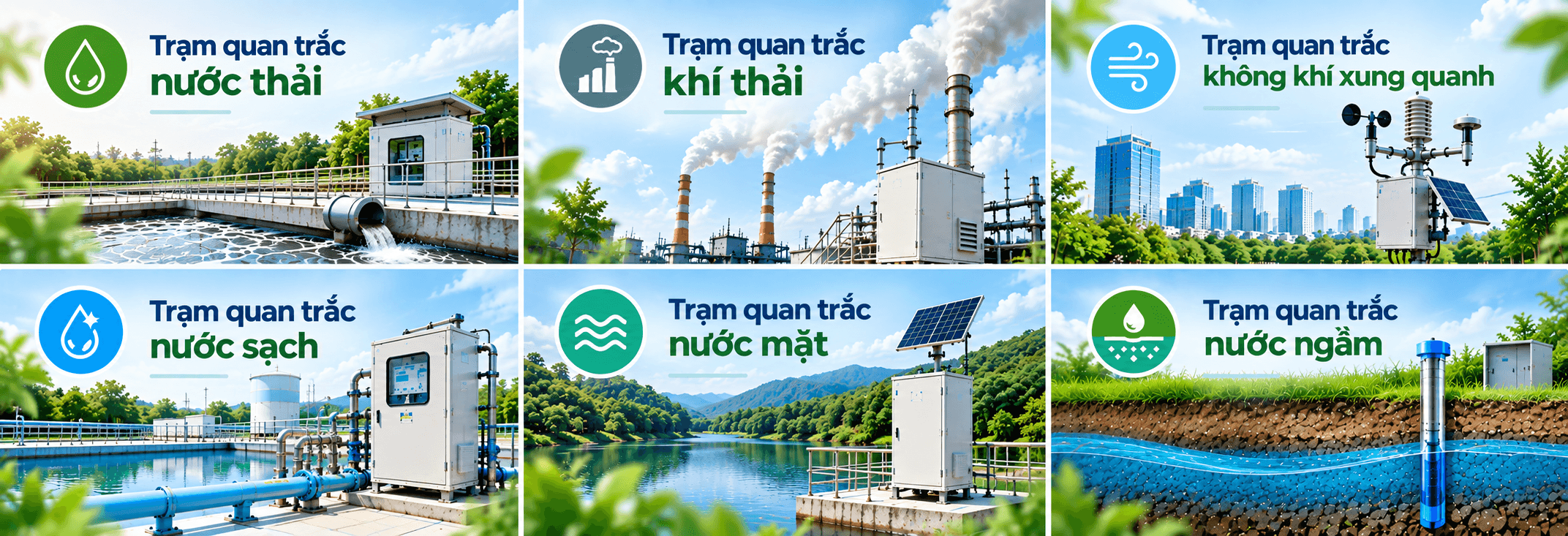
The solution portfolio can be deployed according to different monitoring targets:
→Drinking Water Monitoring Solution – iMisff 2101 DW
→Automatic Continuous Wastewater Monitoring Solution - iMisff 3101 WW
→ Automatic Continuous River Water Monitoring Solution - iMisff 4101 RW
→ Automatic Continuous Groundwater Monitoring Solution - iMisff 5101 GW
→ Giải pháp quan trắc nước biển tự động – iMisff6101
→Automatic Continuous Emission Monitoring Solution (CEMS) - iMisff7101
→ Giải pháp quan trắc khí xung quanh tự động – iMisff8101
Frequently Asked Questions About Environmental Monitoring Stations
What Is an Environmental Monitoring Station?
An environmental monitoring station is a system used to measure, collect, store, process, and transmit data on environmental parameters according to specific requirements.
What types of environmental monitoring stations are available?
Common types include wastewater monitoring stations, emission monitoring stations, surface water monitoring stations, drinking water monitoring stations, groundwater monitoring stations, seawater monitoring stations, and other environmental monitoring systems.
How does automatic monitoring differ from conventional monitoring?
No. Specific obligations and requirements depend on the type and scale of the facility, emission or discharge sources, environmental documentation, and applicable regulations.
Does every business have to install an automatic monitoring station?
No. Specific obligations and requirements depend on the type and scale of the facility, emission or discharge sources, environmental documentation, and applicable regulations.
What parameters need to be measured by a wastewater monitoring station?
This depends on the wastewater source and applicable requirements. Common parameters include pH, temperature, flow rate, TSS, COD, ammonia, and other parameters.
What does an emission monitoring station need to measure?
Depending on the emission source and applicable requirements, parameters may include particulate matter, SO₂, NOx, CO, O₂, flow rate, temperature, pressure, and other parameters.
What is the role of a data logger in an environmental monitoring station?
A data logger receives, stores, and manages data from measurement devices while supporting data display and transmission according to the system configuration. Circular No. 10/2021/TT-BTNMT specifies technical requirements related to data reception, transmission, and management systems.
Conclusion
Environmental Monitoring Station is an important component of modern environmental management and monitoring systems. From wastewater monitoring stations and emission monitoring stations to surface water, drinking water, and other automatic monitoring systems, each solution needs to be designed based on the monitoring target, parameters, operating conditions, and specific regulatory requirements
For businesses, particularly manufacturing plants and FDI enterprises, selecting an environmental monitoring system is not simply a matter of choosing measurement equipment. It means selecting an integrated solution covering measurement, data management, operation, and technical support.
Understanding the requirements correctly from the early stages can help businesses select an appropriate system configuration, minimize unexpected costs, and build a system capable of stable long-term operation.
Viet An accompanies businesses in selecting environmental monitoring and industrial measurement solutions, from wastewater and emission monitoring systems to automated water quality and environmental monitoring solutions.
→ Contact Viet An for consultation on the right solution for your facility and environmental monitoring requirements.
——————
🌿 VIỆT AN GROUP 🌿
𝗘𝗺𝗮𝗶𝗹: sales@vietan-enviro.com
𝗛𝗼𝘁𝗹𝗶𝗻𝗲: (+84) 902 970 009
𝗪𝗲𝗯𝘀𝗶𝘁𝗲: www.vietan-enviro.com



 Vietnamese
  English